
Northwest Oral & Implant Surgery Frequently Asked Questions
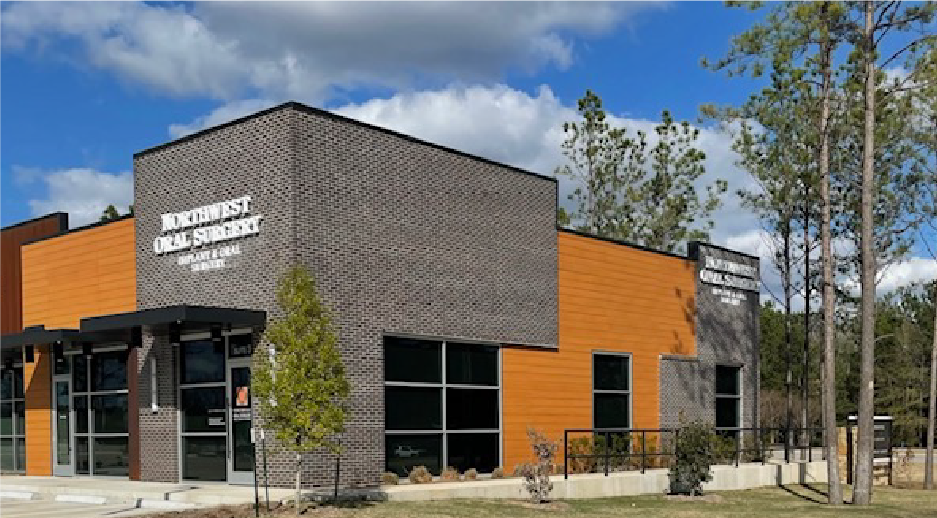

Frequently Asked Questions
We offer a full range of oral and maxillofacial surgery services, including wisdom-tooth removal, dental implant placement, bone grafting, corrective jaw (orthognathic) surgery, TMJ disorder treatment, facial trauma repair, and IV sedation or general anesthesia as needed.
If your treatment involves surgical access (impacted teeth, bone grafting, facial trauma, corrective jaw work or sleep/apnea surgery), you’ll benefit from the advanced training of an oral & maxillofacial surgeon. We’ll coordinate with your referring dentist and explain the process clearly.
Yes, we accept most major dental insurance plans. Our team will review your coverage, assist with pre-authorization and claims. For treatments not covered fully by insurance, we offer flexible payment plans and financing to help manage investment in your health.
At your first visit, we review your medical and dental history, take any needed imaging (such as CT or panoramic X-ray), evaluate your case, review treatment options, anesthesia choices and cost estimate. We’ll ensure you understand every step before proceeding.
We provide comfort and safety as priorities. For most patients, local anesthesia with sedation (oral or IV) is sufficient. For more complex cases (jaw surgery, trauma repair), general anesthesia may be used. Our board-certified surgeons are trained, and the facility meets rigorous safety standards.
Recovery time varies by procedure. Simple extractions often recover within a few days. Dental implant placement or jaw surgery may require weeks to months of healing. We’ll give you personalized post-operative instructions and monitor your progress at follow-ups.
Dental implants are titanium posts placed in the jawbone that serve as a foundation for replacement teeth. Candidates must have sufficient bone structure and good general health. If bone is lacking, bone grafting may be recommended. We’ll evaluate you and explain all options.
Yes. We diagnose and treat TMJ disorders, facial pain and obstructive sleep apnea (in conjunction with sleep specialists). Our surgical team may treat structural causes and coordinate with other specialists for comprehensive care.
Remove wisdom teeth when they’re impacted, causing pain, crowding, infection or risk to other teeth. The procedure is common, but each patient is unique. We’ll explain the risks, sedation options, post-operative care, and answer your questions.
Safety and infection control are vital. Our facility follows strict sterilization protocols, uses modern surgical suites, supports anesthesia monitoring by trained staff, and adheres to state and national guidelines for oral surgery practice.
For emergencies (severe pain, infection, facial trauma, knocked-out tooth), contact our office immediately. We maintain emergency protocols and will triage your case; sometimes a same-day or next-available appointment may be arranged.
You can schedule online or call our office. Bring your photo ID, insurance card, list of medications, and any referral forms or imaging from your dentist if available. Arrive a little early for check-in, and we’ll walk you through the paperwork and prep.